Charging Optimization for 36V Li-ion Banks: Efficiency & Safety at 10A High Current

Hi everyone,
I’ve been involved in designing power solutions for small-scale off-grid systems and light e-mobility, and I wanted to open a discussion on the technical challenges of charging 10S Li-ion configurations at higher currents (10A+).
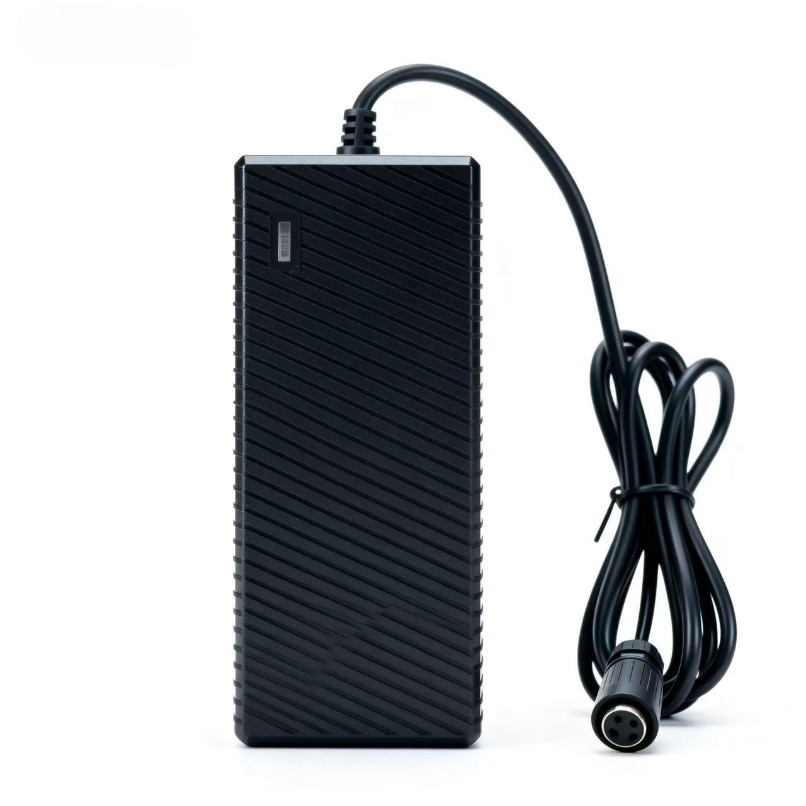
When we move beyond the common 2A-5A "plastic brick" chargers, the engineering requirements for a 420W continuous load become quite rigorous. Based on my recent analysis of industrial-grade architectures (specifically referencing the Henryuan 42V 10A charger), there are three key areas that determine system longevity:
Conversion Efficiency & Heat: With a 42V/10A configuration, even a 10% efficiency loss means 42W of heat will accumulate inside the enclosure. In off-grid environments, I found that high-efficiency conversion and advanced built-in heat sink design are crucial to preventing thermal runaway in the battery cabinet.
EMI and Grid Noise: Many low-cost high-current chargers dump significant noise back into the AC line, which can interfere with sensitive solar charge controllers or inverters nearby. Utilizing a design with full UL/ETL and FCC Class B, CE compliance seems to be the only way to ensure electromagnetic compatibility in a complex solar setup.
Constant voltage charging: For 36V battery packs, the accuracy of the constant voltage stage is crucial. If the accuracy is too low, the voltage may be too high during the constant voltage stage, causing overcharging, battery damage, and fire. If the voltage is too low, the battery will not be fully charged.
I’m curious to know: For those of you running 36V/42V rechargeable batteryies in your solar sheds, what is your preferred charging C-rate for balancing speed vs. cycle life?
Looking forward to your insights.
Comments
-
Anything is possible if you do the "due dilligence" part. Follow the battery make/BMS charge guidelines.
A very rare voltage (36v) for anything offgrid.
Almost all 48vdc these days with a rare 24vdc offgrid
Grid tie has it's share of 48v and high voltage systems.
Power system equipment sheds are often a problem with keeping the battery from getting exposed to temperature extremes.
When I hear from installers of problems, the equipment shed is often a root cause. Failed or poor ventilation that often gets ignored because the shed is remote.
Fun thoughts😉"we go where power lines don't" Sierra Nevada mountain area
htps://offgridsolar1.com/
E-mail offgridsolar@sti.net

Categories
- All Categories
- 230 Forum & Website
- 137 Solar Forum News and Announcements
- 1.3K Solar News, Reviews, & Product Announcements
- 181 Solar Information links & sources, event announcements
- 892 Solar Product Reviews & Opinions
- 252 Solar Skeptics, Hype, & Scams Corner
- 22.5K Solar Electric Power, Wind Power & Balance of System
- 3.5K General Solar Power Topics
- 6.7K Solar Beginners Corner
- 1K PV Installers Forum - NEC, Wiring, Installation
- 2.1K Advanced Solar Electric Technical Forum
- 5.6K Off Grid Solar & Battery Systems
- 428 Caravan, Recreational Vehicle, and Marine Power Systems
- 1.1K Grid Tie and Grid Interactive Systems
- 656 Solar Water Pumping
- 816 Wind Power Generation
- 620 Energy Use & Conservation
- 623 Discussion Forums/Café
- 316 In the Weeds--Member's Choice
- 74 Construction
- 125 New Battery Technologies
- 108 Old Battery Tech Discussions
- 3.8K Solar News - Automatic Feed
- 3.8K Solar Energy News RSS Feed